
Climate Change is driving the need for an urgent reduction in carbon emissions
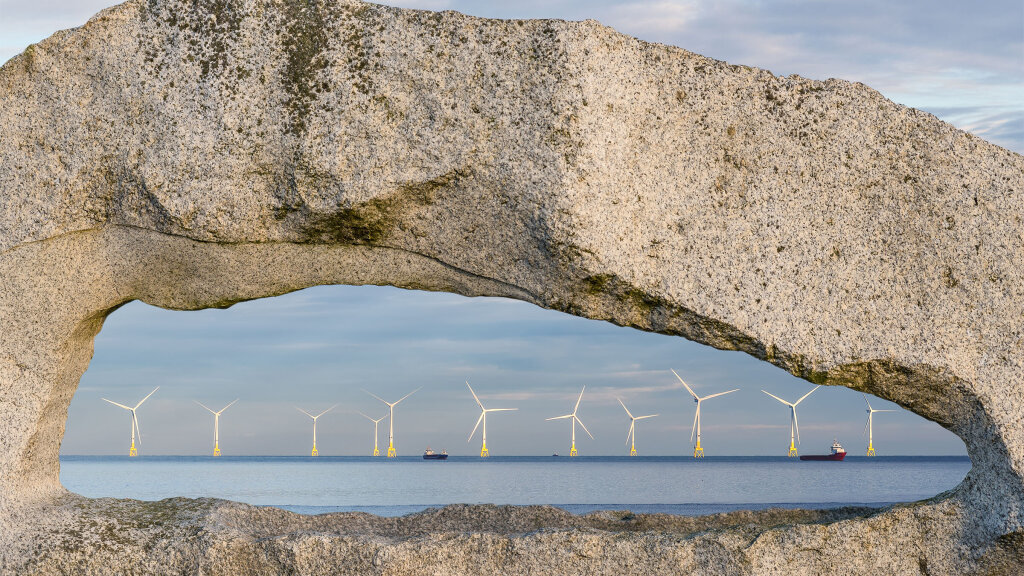
As a result, the UK Government has committed to a decarbonised electricity network by 2030 and a Net Zero economy by 2050. To deliver these ambitious targets the Scottish Government has targeted a five-fold increase in offshore wind energy generation by 2030. This growth is underway, with the Scotwind leasing programme supporting up to 28GW of offshore wind projects in the coming years.
Renewable energy generation is low cost and carbon free, but its availability is intermittent and constantly fluctuating, making the job of balancing the electricity grid ever more challenging. In a renewable energy led future, the challenge comes from matching energy supply with demand.
LOCH KEMP PUMPED STORAGE HYDRO increasES existing UK capacity by over a fifth
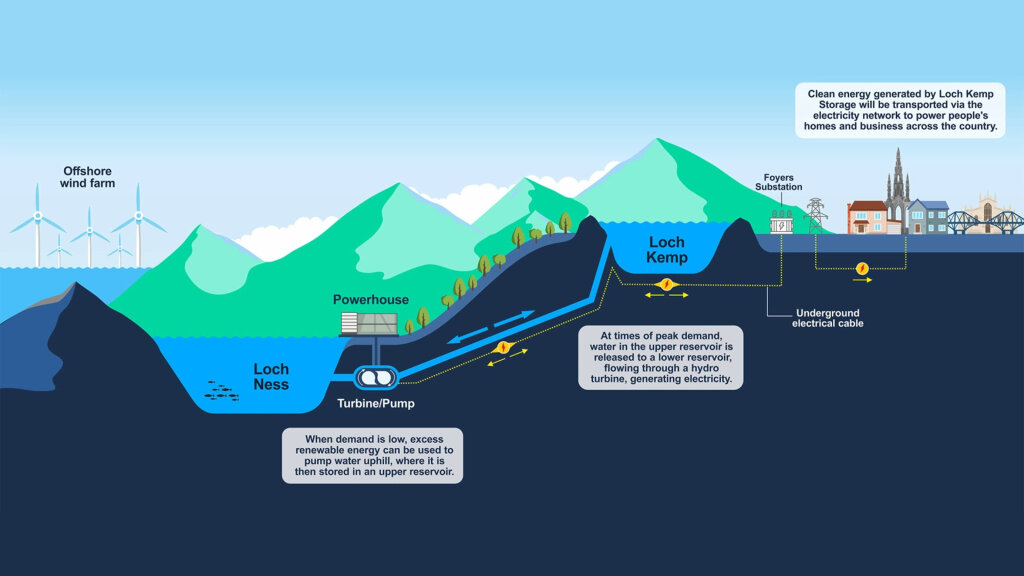
Loch Kemp Storage will be able to help the National Grid balance the daily fluctuations caused by the intermittent nature of renewables by storing the excess energy as raised water. Pumped storage hydro capacity provides a medium duration storage solution, by storing and exporting electricity to the National Grid when required.
Loch Kemp Storage will draw on the Highlands' natural landscape and engineering heritage to store energy at scale. If built out the scheme would increase the existing UK pumped storage hydro capacity by over a fifth, suppling over 1 million homes with instantaneous clean electricity for up to 15 hours. Pumped storage hydro will play an essential role in achieving Net Zero targets and delivering energy security to the UK.
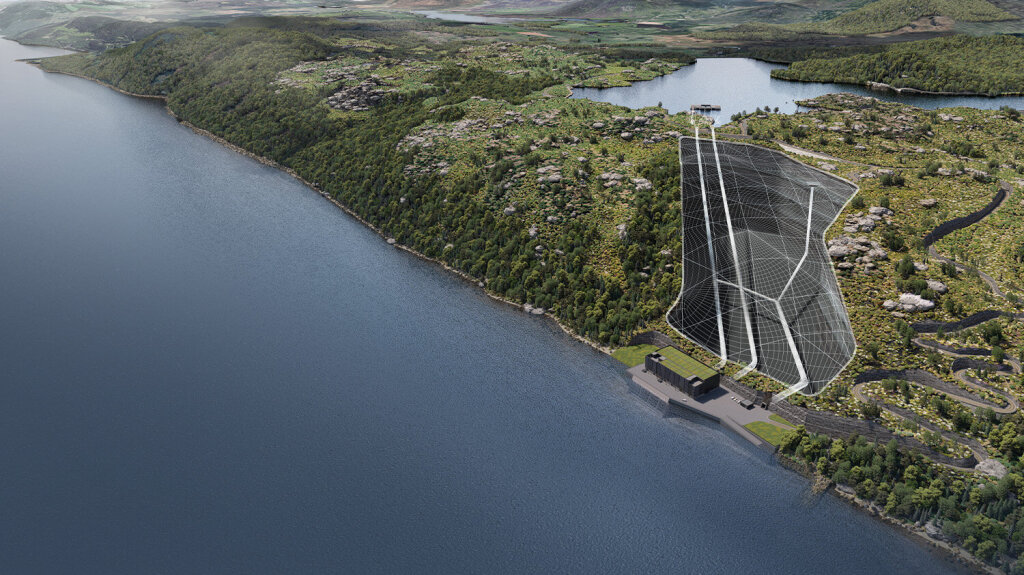
located on the southern shores of Loch Ness, between Fort Augustus and Inverness
The pumped storage hydro technology would use Loch Kemp as the upper reservoir and Loch Ness as the lower reservoir. The scheme would be connected to the Foyers National Grid substation via an underground cable – providing power to run the project as well as return the generated electricity to the grid.