
Loch Kemp Storage
Benefits
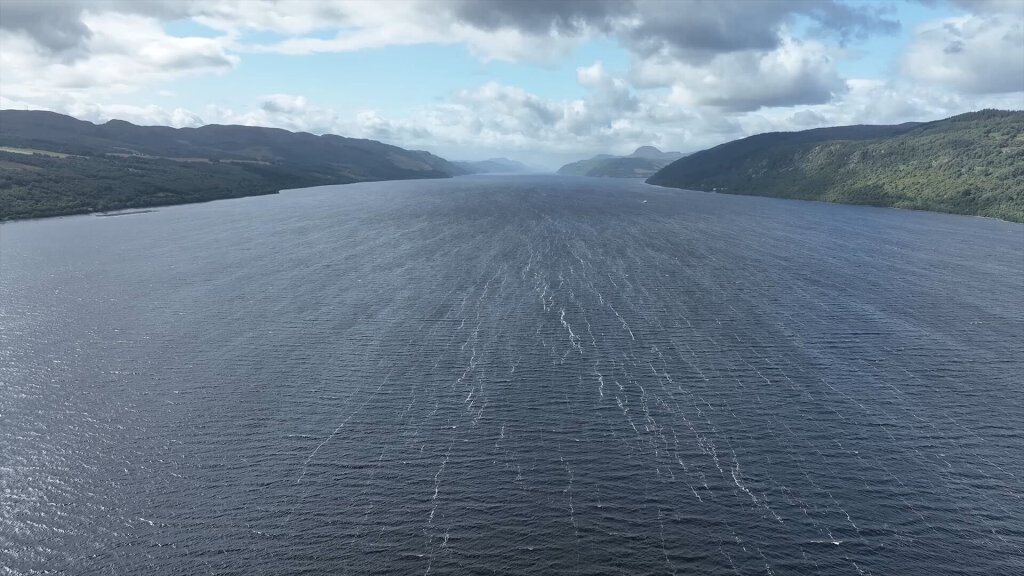
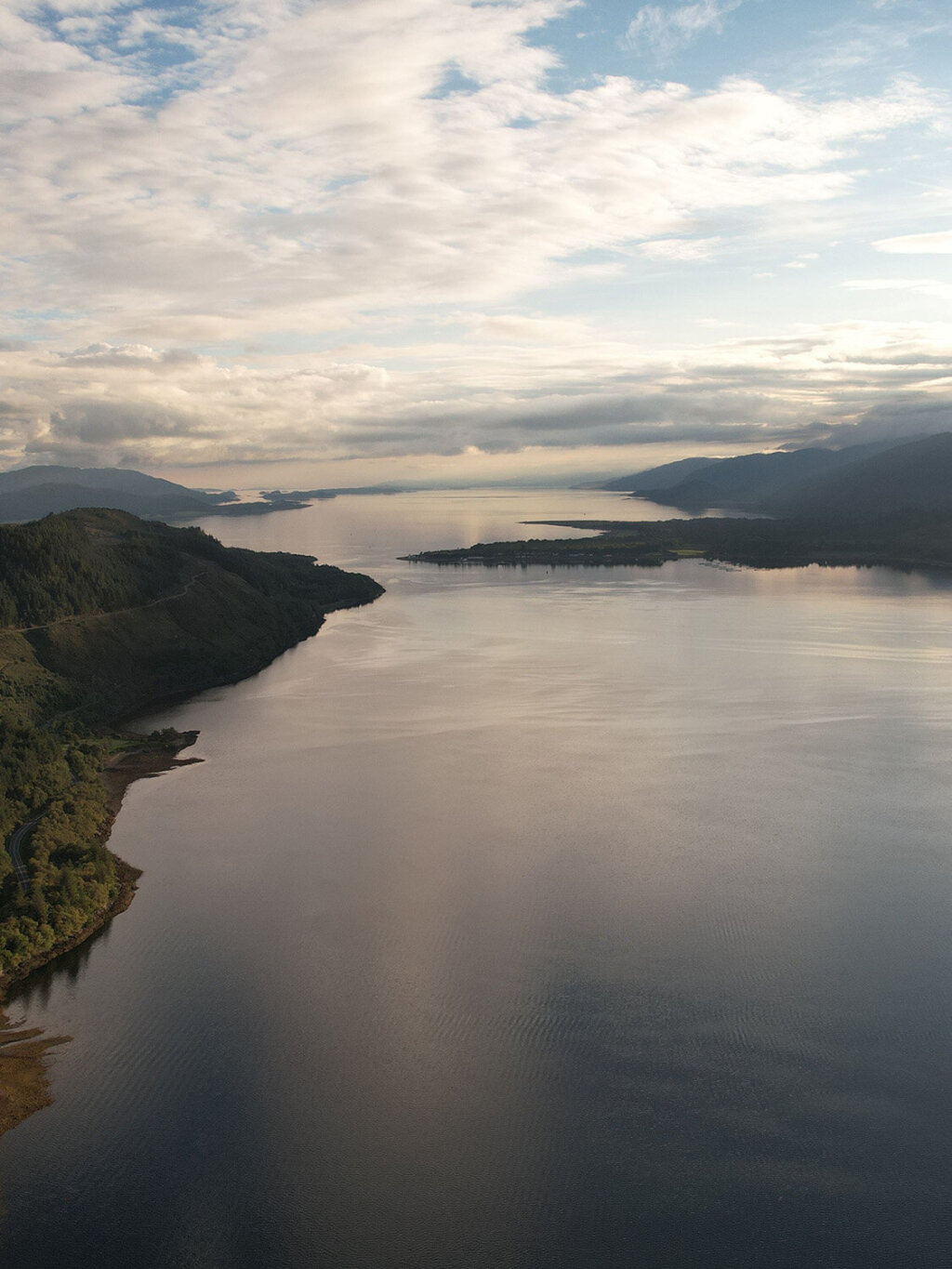
Harnessing Scotland’s natural landscape
It is Loch Kemp's natural features which make the project feasible. This natural efficiency is gained from using the two existing bodies of water, in this case Loch Kemp and Loch Ness which are close together and offer a sufficient height difference to create the force for water to travel downhill to drive a hydro turbine. The natural bowl surrounding Loch Kemp allows for the upper reservoir to be expanded with modest damming.
Well positioned pumped storage hydro projects will help to secure Scotland’s place at the at the heart of delivering energy security, lowering energy costs and enabling the UK to reach Net Zero.
Increasing energy security, reducing future energy costs and enabling Net Zero
Stored energy can be exported to the electricity grid during periods of demand, to keep the system in balance. The ability to store large volumes of excess energy as raised water which can be exported back on to the UK National Grid when required ensures greater energy security all year round, consequently lowering network cost and keeping energy bills down.
Pumped storage hydro is a proven zero carbon technology providing easily accessible medium-duration energy storage.
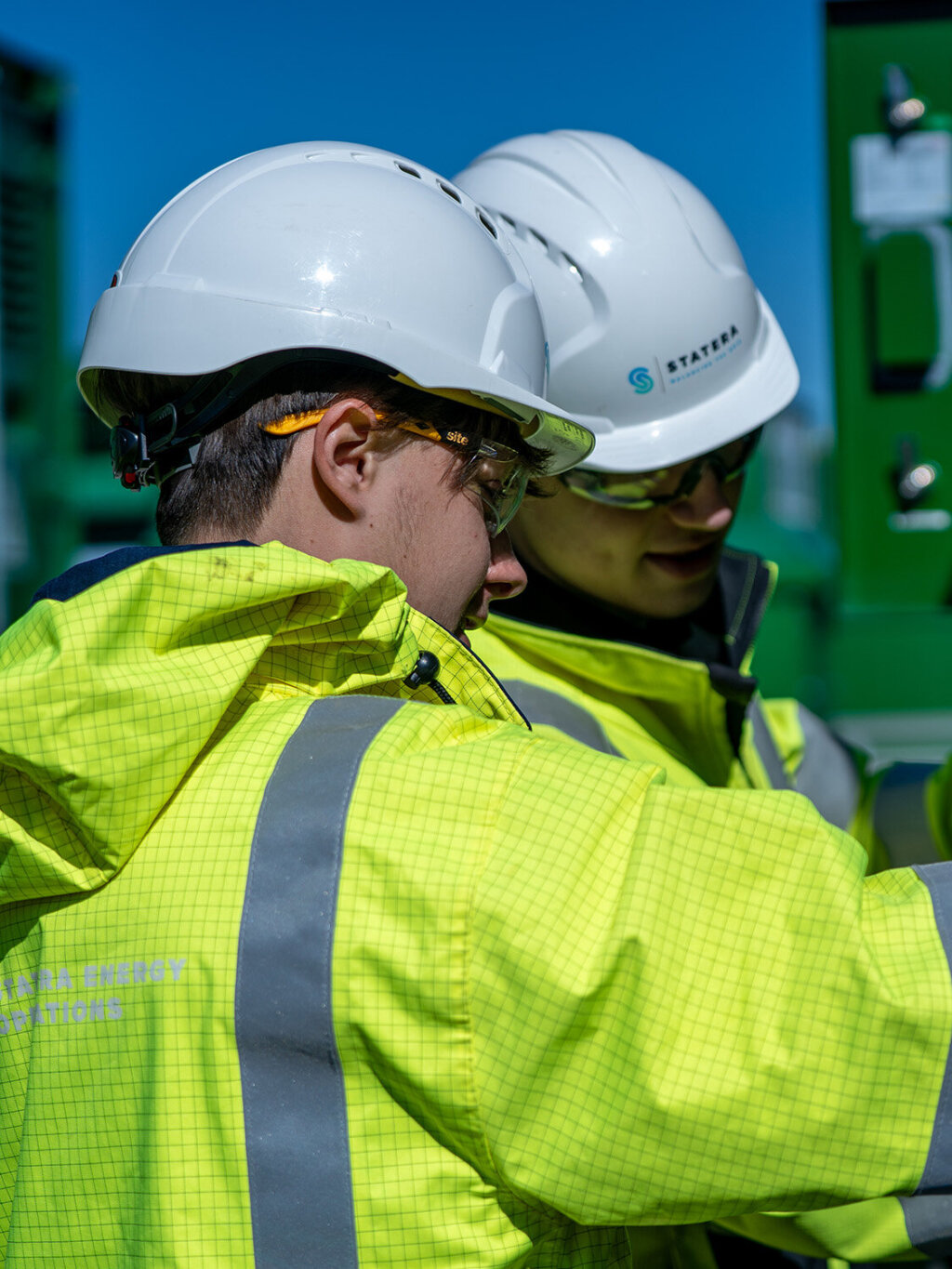
Developing skills and creating generational local employment
Loch Kemp Storage will build on the Highlands’ world-renowned hydro expertise. The construction and operation of Loch Kemp Storage will create employment opportunities, many of which will draw on the wealth of the energy sector expertise in the Highlands. In addition, it is anticipated that there will be an apprenticeship scheme created to help those starting out in the sector.
The development of Loch Kemp Storage will also provide opportunities for local businesses in the Highlands for services including engineering, fabrication and construction, supply of material and other professional services.
Investing in the conservation and regeneration of unique biodiversity
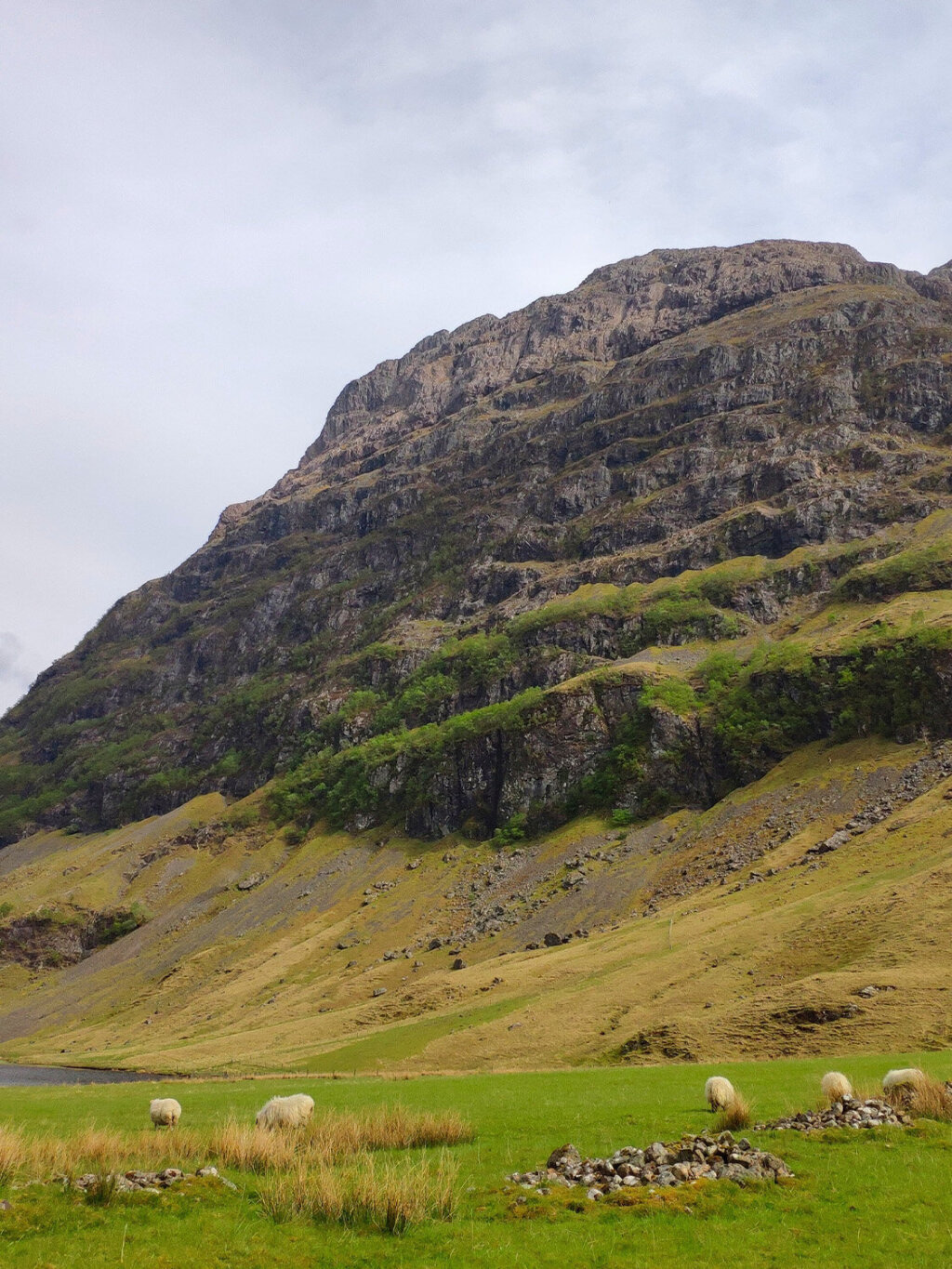
Loch Kemp Storage, like many forms of energy infrastructure development, will initially have some impact on biodiversity. Statera has committed to restore large areas of degraded conservation habitat back to health over the lifetime of the project.
This long-term investment programme, running over the next 70 years, will include securing an overall increase in the area of heathland and peat, and managing the critically important Ness Woods Special Area of Conservation back into favourable status.